
Mobile App, Web App or PWA? Choosing the Right Platform for Your Business Idea
Native apps, progressive web apps and responsive web applications compared on cost, reach, offline use, payments and updates — with Kenyan market examples.
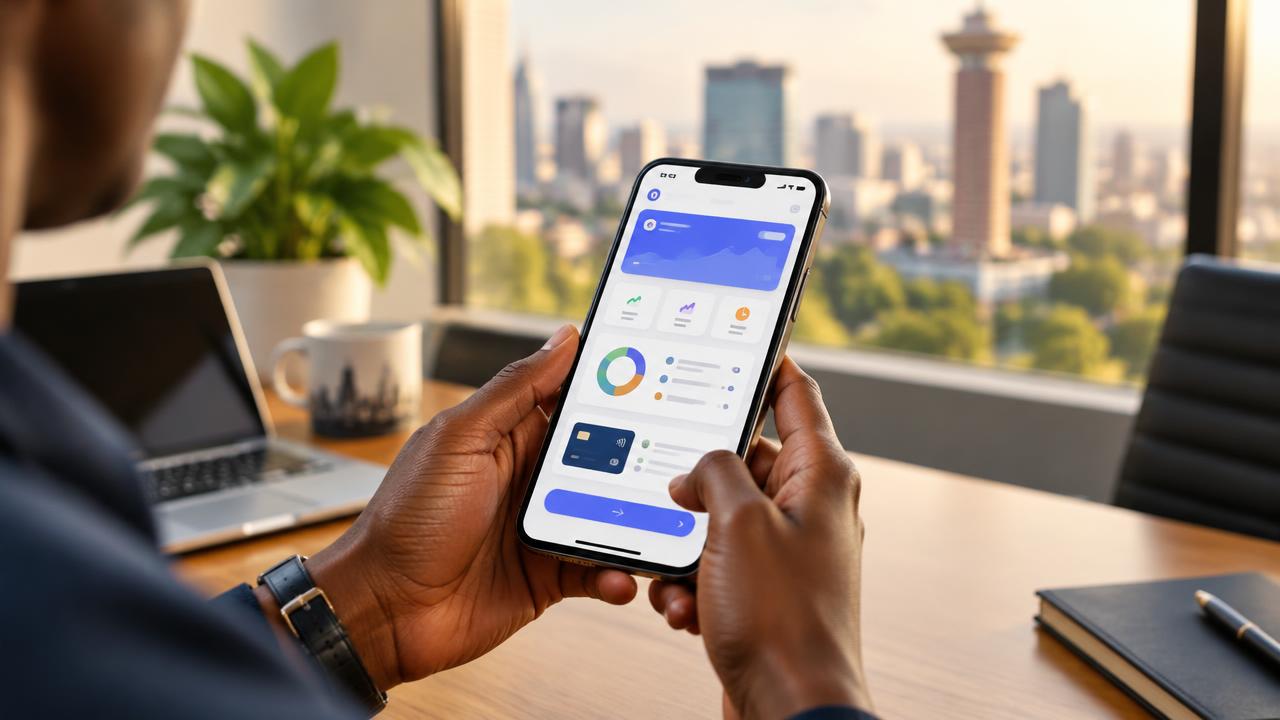
"We need an app" is one of the most common requests we hear. Sometimes a native mobile app is exactly right. Often, a well-built web application or progressive web app (PWA) delivers the same value for a fraction of the cost and reaches more people.
Three options explained
Native mobile apps
Built for Android and iOS and installed from the Play Store or App Store. They offer the deepest access to the phone — camera, GPS, Bluetooth, background tasks and push notifications.
Responsive web applications
Run in the browser on any device, from a budget phone to an office PC. There is nothing to install and every user always has the latest version.
Progressive web apps (PWAs)
Web applications that can be added to the home screen, work partly offline and send notifications on supported devices. Learn more on web.dev's PWA guide.
How they compare
- Cost: web and PWA are usually the lowest; native apps need more design, testing and store maintenance, especially for two platforms.
- Reach: web apps work on any device with a browser, including staff PCs. Native apps require installation and phone storage.
- Updates: web updates are instant; native updates depend on store review and users updating.
- Offline: native apps are strongest, PWAs can cache key screens, standard web apps need a connection.
- Payments: all three can use M-PESA STK Push through a secure server.
Do not forget USSD and SMS
In Kenya and East Africa, many customers still use feature phones or have limited data. A USSD service or bulk SMS notifications can extend your system to everyone — a SACCO member can check a balance by dialling a code, and a parent receives fee reminders by SMS.
Which should you choose?
- Internal business systems (loans, schools, property, inventory): start with a web application. See our software solutions.
- Customer-facing services used daily with notifications and offline needs: consider a PWA first, then a native app once demand is proven.
- Hardware-heavy features (Bluetooth printers, background tracking): a native app may be required. Our parcel tracking projects often combine a web dashboard with a driver app.
One back end, many front ends
The smartest architecture puts business logic in a secure API on reliable hosting — a VPS or Node.js hosting — then serves the web app, mobile app, USSD and SMS from the same data. You can add channels later without rebuilding.
Have an idea? Talk to our software team and we will recommend the platform that reaches your customers at the right cost.
Share this article
Was this article helpful?
Your vote helps us write better guides.