
Webcam Blackmail Scam Emails: Why the Threat Is a Bluff and What to Do
An email claims a hacker recorded you through your webcam and wants Bitcoin. Here is how these mass-mailed extortion scams work, the versions doing the rounds and the calm steps to take.
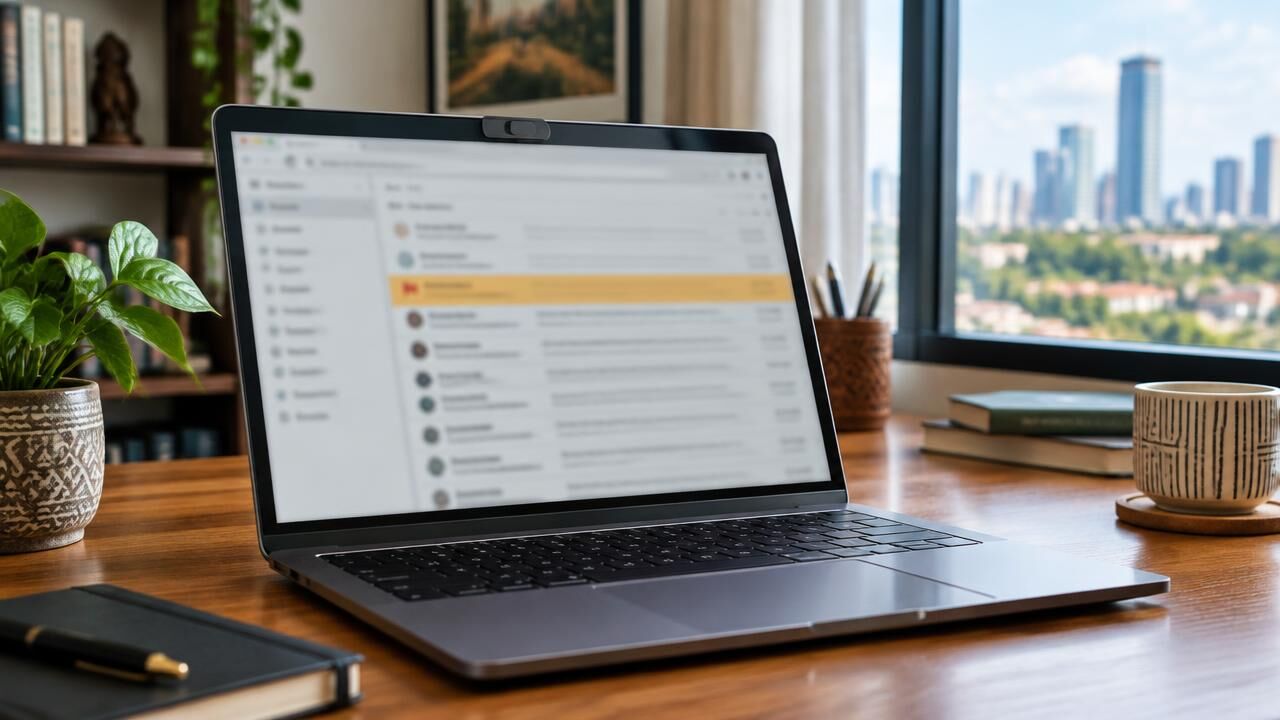
The message usually arrives early in the morning. It says the sender is a "professional hacker", that your device was infected months ago, that your webcam recorded you at a private moment and that the video will go to every one of your contacts unless you pay in Bitcoin within 48 hours. It is frightening by design. It is also, in the vast majority of cases, a bluff sent to thousands of people at once.
This kind of message is called a sextortion scam or webcam blackmail email. Security agencies such as the UK National Cyber Security Centre and the FBI's Internet Crime Complaint Center have warned about it for years. This guide explains how it works and what to do. For a real example our filters stopped — with the headers explained line by line — read our sextortion phishing case study.
Why the threat is almost always fake
- There is no proof. A criminal who really had a recording would attach a still image. These emails never do, because there is nothing to show.
- The text is a template. The same wording, often with the same spelling mistakes, reaches thousands of inboxes. Search a sentence from it and you will usually find it quoted in warnings.
- Emails cannot switch on your camera. Simply receiving or opening a message does not give anyone control of your computer.
- The "hacker" knows nothing personal. Apart from your email address — and sometimes an old password — the message contains no details that only someone watching you would know.
The versions doing the rounds
1. "Sent from your own account"
The From and To fields both show your address, so it looks as if the criminal is inside your mailbox. In reality the sender address is simply spoofed: typed into the email, the same way anyone can write any return address on an envelope. Properly configured SPF and DMARC records let receiving servers spot this — see our guide to email spoofing.
2. "Here is your password"
The subject line contains a password you really used. That is unsettling, but the password almost always comes from an old data breach published online, not from your device. Check your address on Have I Been Pwned, and change that password anywhere you still use it.
3. "Is this your house?"
Newer versions add your phone number, a street address or a picture of your street taken from online maps, often inside a PDF attachment. These details come from leaked databases and public sources. Do not open the attachment — it may also carry malware.
4. The follow-up
If you reply, you mark your address as "live". Expect more messages, higher demands and new deadlines. Silence is the best response.
What to do if you receive one
- Stay calm. The deadline exists to stop you thinking.
- Do not pay and do not reply. Payment proves nothing and marks you as someone who pays.
- Do not click links or open attachments.
- Keep the email with its full headers, then mark it as spam or phishing. Your IT team or email provider can use the headers to tighten filtering.
- Change any password it mentions and turn on two-factor authentication on your email, banking and social accounts. Our password generator creates strong, unique passwords.
- Cover your webcam if it gives you peace of mind, and keep your operating system and antivirus updated.
Only take bigger steps — such as a full security scan or a device reset — if there is real evidence of compromise, for example unknown programs, unexpected sign-ins or settings you did not change.
When someone really does have images
A different and more serious crime happens when a person has actually obtained private images, often after building trust on social media or a dating app. The advice is the same at the start: do not pay, stop all contact, keep the messages and report the account to the platform. In Kenya, report to the Directorate of Criminal Investigations — such threats are offences under the Computer Misuse and Cybercrimes Act, 2018. If the person targeted is a child, involve a trusted adult and the police immediately.
How businesses can stop these emails reaching staff
Mass extortion emails are a filtering problem. Our incoming email filtering checks authentication, reputation and content before mail reaches the mailbox; the case study above was quarantined that way. Publish SPF, DKIM and DMARC for your own domain — start with our DMARC checker and DMARC rollout guide — so criminals cannot easily send mail that appears to come from you.
Share this article
Was this article helpful?
Your vote helps us write better guides.